
Cracks Appearing in Your Hobart Home? When to Call an Engineer
24 September 2026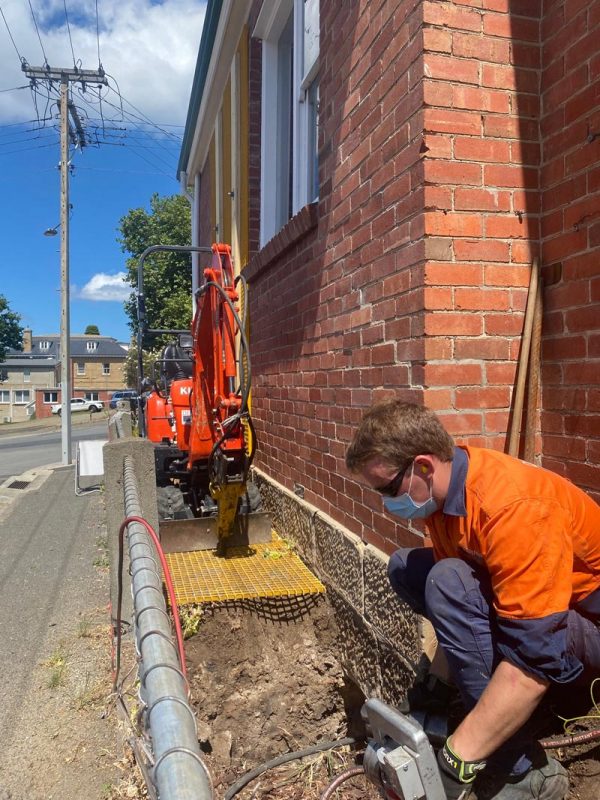 Cracked walls in Hobart may point to footing movement. Learn when changing cracks warrant an assessment by The Underpinning Engineers.
Cracks can develop from minor material shrinkage, normal settlement or movement affecting the footings beneath a home. If you have cracked walls in Hobart, changes in width, direction or surrounding building elements can indicate that an engineering assessment is needed. Identifying the cause before filling or repainting the crack helps avoid repairs that only conceal an active problem.
What Signs Mean a Crack Needs Professional Assessment?
A crack warrants professional assessment when it is changing, recurring or accompanied by other signs of building movement. Width is relevant, but Australian residential footing guidance shows that it must be considered with the crack pattern, location and associated effects. Fine, stable cracks may be cosmetic, while sudden movement, falling masonry or visibly unstable walls require urgent professional attention.
- Crack pattern: Stepped or diagonal cracking develops through brickwork, particularly around doors or windows.
- Continued movement: A repaired crack reopens, lengthens or becomes noticeably wider.
- Surface displacement: Several cracks appear together or the wall surfaces on either side become misaligned.
- Opening distortion: Doors and windows begin sticking, frames move out of square, or gaps form at wall junctions.
- Floor changes: Floors become sloped, domed or unusually bouncy.
- Wider damage: Walls lean or bulge, masonry becomes loose, or plumbing and drainage problems appear nearby.
Why Can Footing Movement Cause Wall Cracks?
Footings transfer the building load to the soil or rock below. If one part settles, rises or rotates differently from another, stress can concentrate at weaker locations such as window openings, doorways and masonry joints, producing visible cracking.
Possible causes of failing footings include leaking water or stormwater pipes, poor surface drainage, moisture changes in reactive clay, tree-related soil drying, soft ground, fill or loss of support near an excavation. Ground conditions vary across Greater Hobart, so the appearance of a crack cannot establish its cause without reviewing the property and surrounding conditions.
What Happens Before a Repair Method Is Selected?
When we assess cracked walls in Hobart, we document the width, pattern, displacement and location of the damage before considering whether movement appears active or historic. Our review may also cover floor levels, footing type, accessible subfloor areas, stormwater, plumbing, vegetation, previous extensions and earlier repairs.
The findings determine whether monitoring, drainage or plumbing work, further investigation or a designed footing repair is appropriate. The Deep Pinning system should only be considered when an assessment identifies failed or inadequate footings and confirms that transferring their loads through problematic soil to bedrock or very firm material suits the site. Solid steel pins are integrated into the footing to provide deeper support before damaged footings are raised or repaired.
The Underpinning Engineers Assess Cracked Walls in Hobart
Changing cracks should be assessed before cosmetic work hides useful evidence or an unsuitable repair is commissioned. At The Underpinning Engineers, we review visible damage and relevant site conditions to determine whether footing movement requires further investigation or repair. This assessment-led approach provides a clearer basis for deciding what action the property needs.
Request a footing assessment for changing cracks or possible foundation movement at your Hobart property.
Optimized by: Netwizard SEO